 Bristora
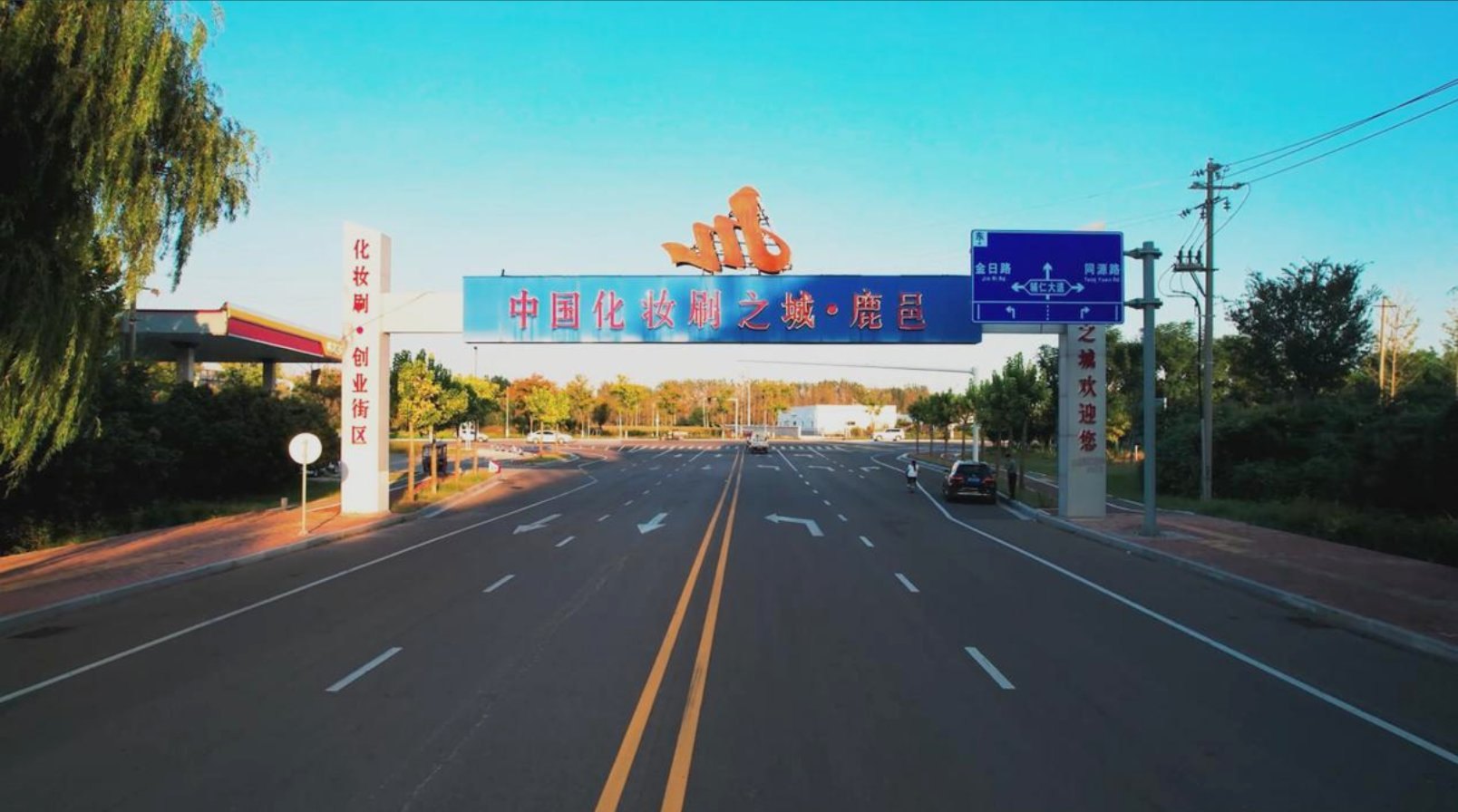
Where the Zhangdian cluster began
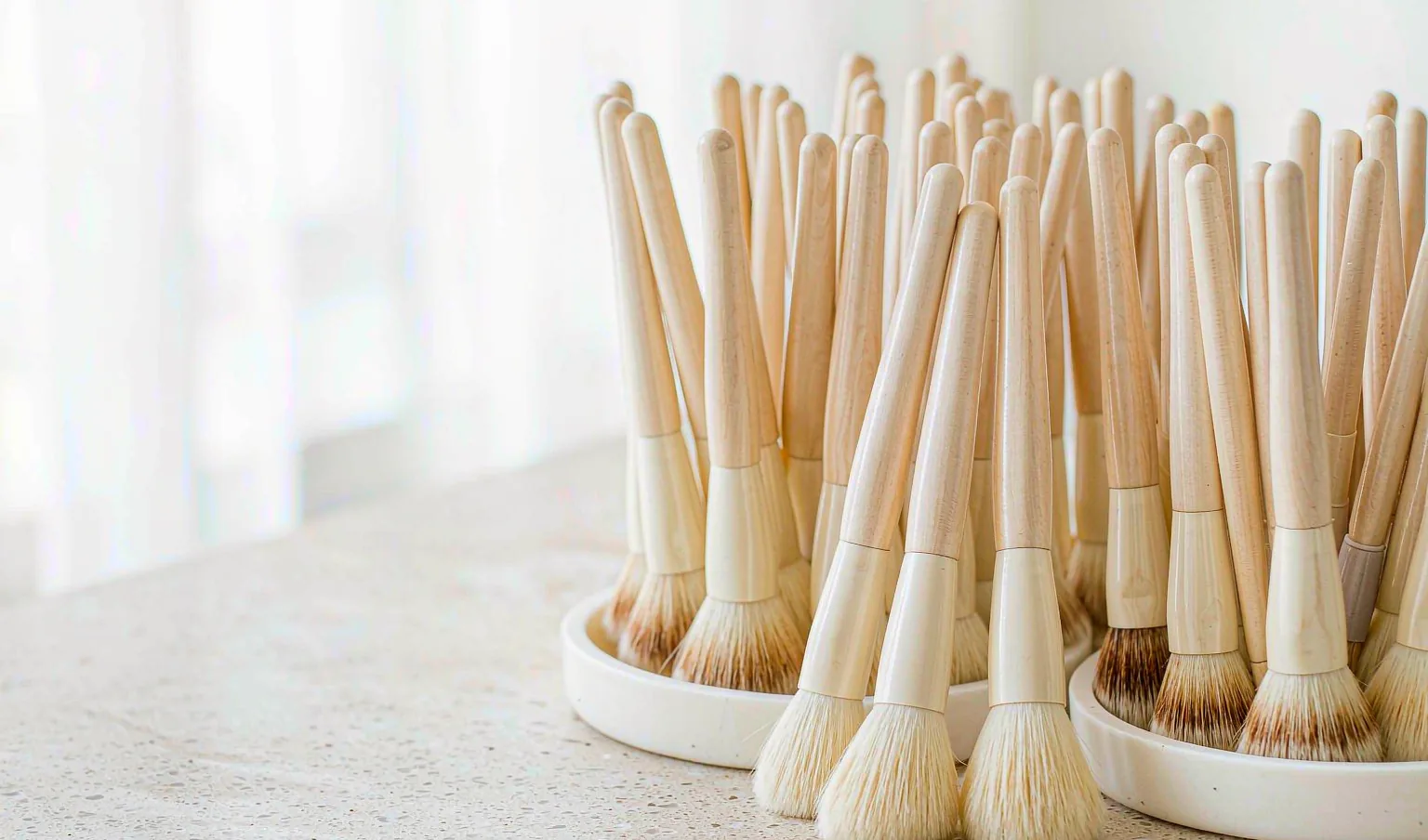
Ask anyone in the district where the brush trade comes from and the answer is Zhangdian. The cluster, the hair, the fiber, the handles, the ferrules, the assembly, grew out of a patch of ground you can walk across in an hour.
The family is from that township, and has worked in the trade since 1991, when Mr Qiu, the first generation, was processing goat-tail hair by hand in a village workshop and selling the finished lots to the brush makers.
Two townships, one chain
What turned a village craft into an industry was the way Wutai and Zhangdian worked together. The two townships sit side by side, and the work divided along that ground: tail-hair processing and material preparation on one side, brush assembly and finishing on the other.
Starting from tail hair and ending with a packed brush, they built one continuous chain, hair, synthetic fiber, handles, ferrules, tufting, assembly, packaging, close enough that a batch moves between stages in a morning rather than a month.
2016: into the industrial park
After 2016 the core workshops moved, one by one, into the Luyi Beauty Industrial Park: a site with proper power, logistics and environmental controls. What had been a cottage industry became a formal, professionally run, export-oriented company.
The same shift ran through the whole cluster. Mr Qiu’s closest friend in the trade, Qin Yingcheng, led the founding of the Luyi County Makeup Brush & Cosmetics Association and still serves as its president. The Shenzhen company is a member, and most of the 100+ factories we work with come out of that structure: auditable and inspectable on the ground rather than on a website.
What the network looks like
Luyi county hosts over 1,000 brush-related businesses. At the center sits the family’s own group, fiber, handles, ferrules, assembly and packaging, and around it, 100+ partner factories that have passed our 42-check audit and remain in good standing under our re-audit cycle. The numbers below describe the network; they are drawn from our internal factory ledger and updated quarterly.
How a factory joins, and how it leaves
Admission: application → document verification (licenses, certifications, test reports) → on-site audit against our 42-check standard → scored above threshold → trial order under heightened QC → full admission.
Staying in: every factory is re-audited on a cycle (core factories annually, full network within 3 years), and continuously scored on delivery reliability, inspection pass rate and claims history. Factories that fail re-audit or breach standards are removed from the network. The network is refreshed on purpose, not by attrition: roughly 18% of it turns over each year.
Category coverage
Different factories specialize in different process steps: that’s precisely why a network outperforms any single factory:
- Assembly & finishing factories: private label and OEM brush assembly, logo application, packaging
- Natural hair specialists: goat, pony and squirrel processing, with documented sourcing
- Synthetic fiber specialists: taklon and engineered vegan fibers, 0.06–0.10 mm
- Handle workshops: birch, bamboo (FSC), recycled plastics; turning, staining, polishing
- Ferrule & hardware shops: aluminum and brass, custom plating
- Adjacent categories: sponges, puffs, cosmetic bags for consolidated orders
Why sitting at the source, in Zhangdian, Luyi, makes the price work
Buyers come to Luyi from the US, the EU, the Middle East and Asia with requirements that don’t look alike: a 50-piece test run for a new brand, a 5,000-set seasonal program, a vegan-only line, a natural-hair professional range. One supplier can answer all of them for a geographic reason: the whole chain sits inside the same five-kilometer patch in Zhangdian.
Two things drive the price, and neither of them is a discount.
The first is material
The filament is drawn, the hair processed, the handles turned and the ferrules stamped inside that same patch, so nothing in the chain is bought twice and no intermediary adds a margin between raw material and finished brush.
The second is the workforce
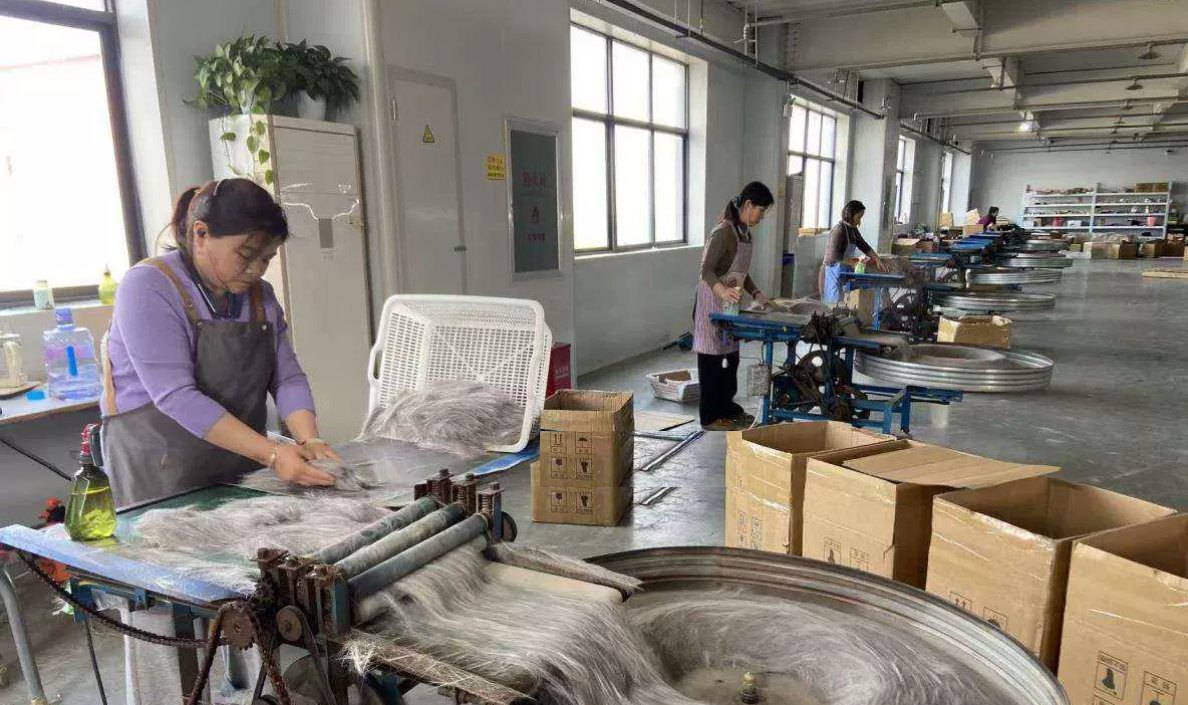
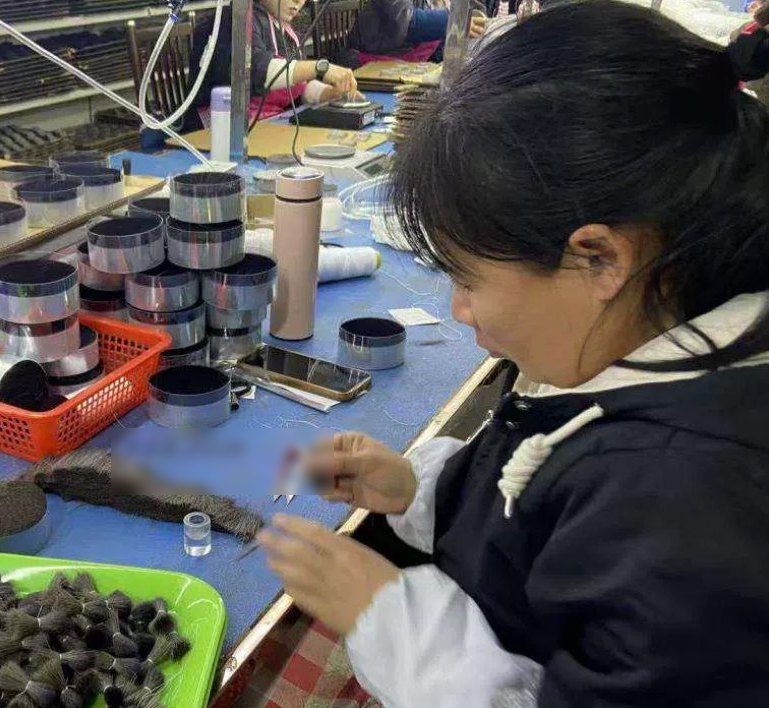
This cluster has been at it for decades, and it has built up a deep pool of mature, highly skilled workers: people who have tufted, combed and finished brush heads for most of their working lives. That depth is why the unit cost stays low without cutting corners: the work moves faster, with fewer rejects, in hands that have done it tens of thousands of times.
What we don’t claim
We won’t claim to be the cheapest brush maker in the world; nobody can prove that, and the buyers we want don’t choose on price alone. What we can show is where both advantages come from, and that they are a cost structure, not a shortcut on standards.
Two different things are at work here, and mixing them up is how buyers get misled. The 42-check audit is ours: our own team scores each factory on six dimensions and re-audits on a rolling cycle, so a factory is in this network because we checked it, not because a badge says so. Separately, some factories hold ISO 9001 or BSCI certificates issued by third-party bodies; when your file needs one, we send the certificate held by the entity that was actually audited. On top of both, every batch leaves with an AQL 2.5 inspection record from our QC team.
What we publish, and what we keep
The audit records behind this network took years to build, and they are the part of the business a buyer is actually paying for. So we separate the two.
What we publish
The audit methodology, the six scoring dimensions, the annual refresh rate, and network-level statistics: enough for you to judge how a factory gets in and what makes it leave.
What we keep
The names. A vetted supply chain listed on a public page stops being vetted the moment a competitor can copy the list, and a buyer who needs to bypass us can use it to do exactly that.
For serious buyers under NDA, we share category-level capability profiles during the RFQ process: the audits themselves, not the directory.
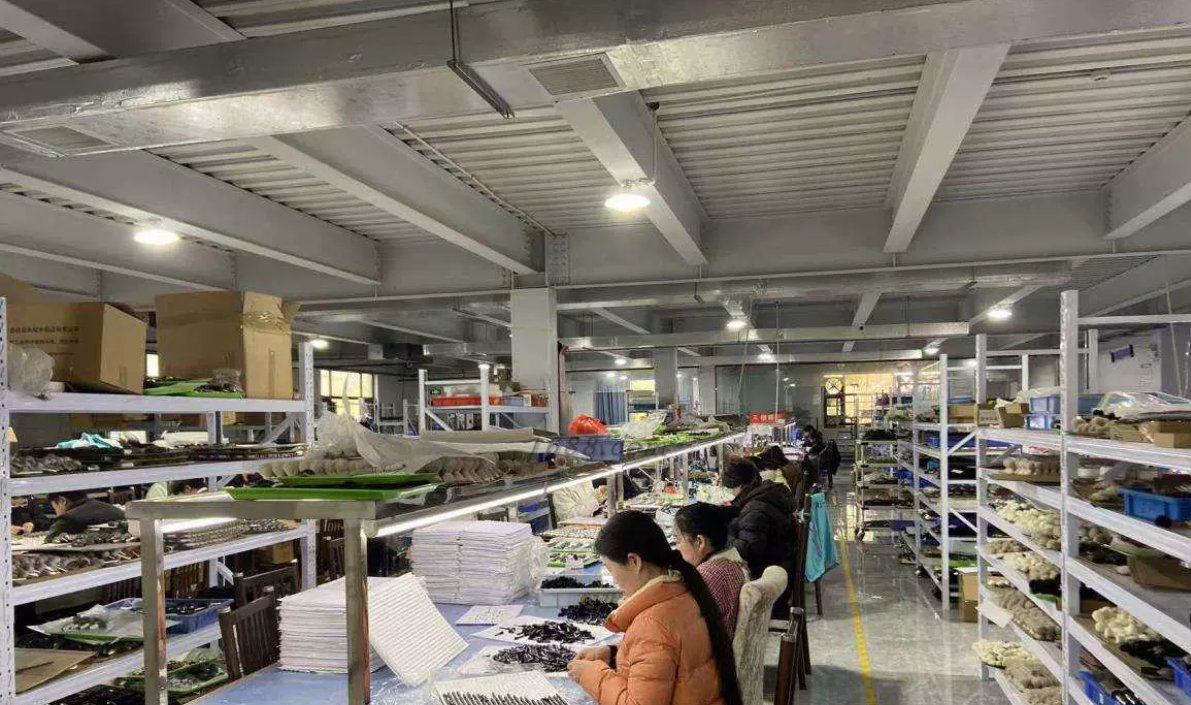
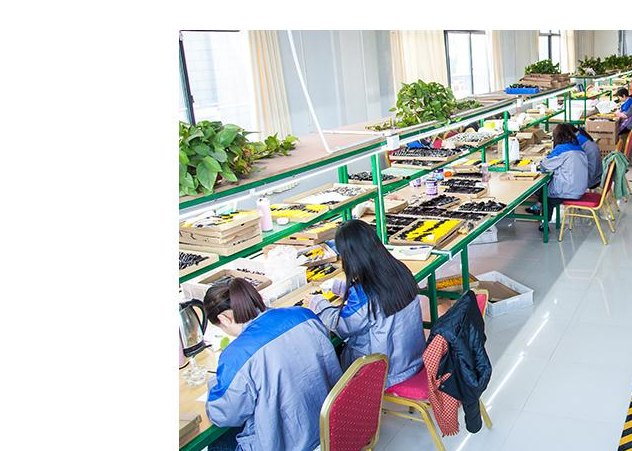
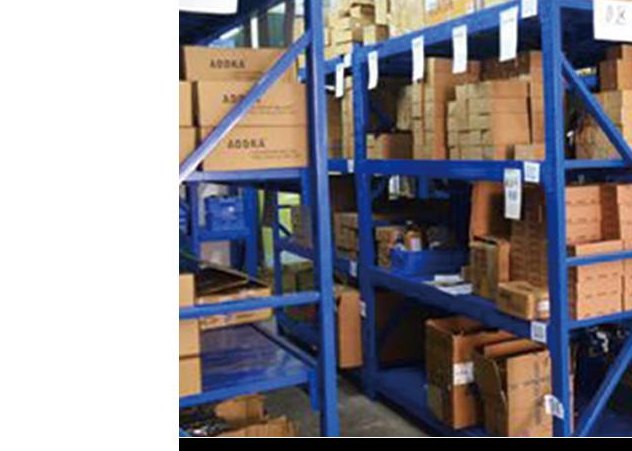
Inside the workshops
Want to verify any of this?
Ask for the audit summary, certificate register or inspection sample reports during RFQ: verification is the point.
Reply within 24 hours · MOQ from 100 pcs · Samples in 1–7 days