 Bristora
The twelve steps
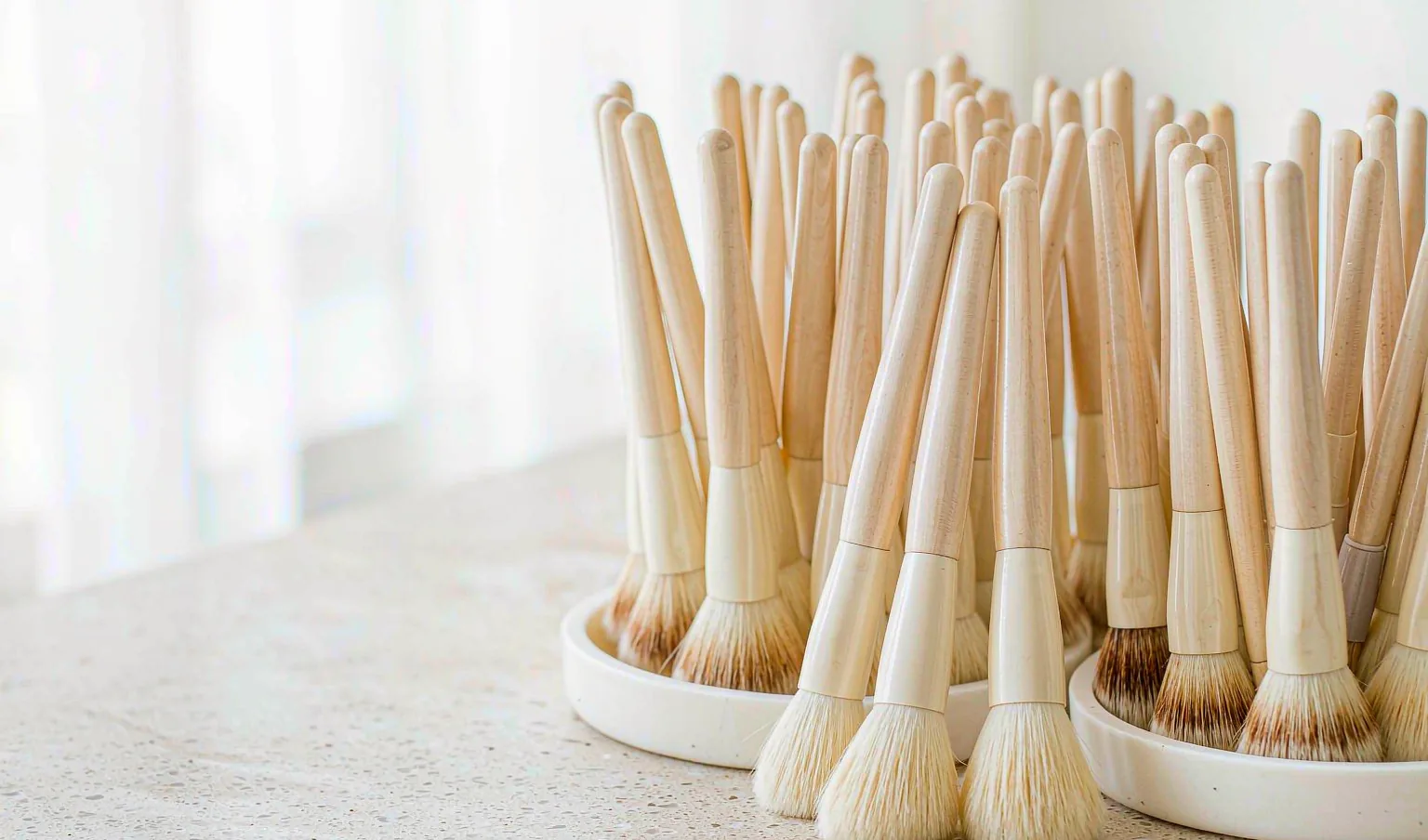
- Fiber preparation: sorting, cleaning and (for natural hair) sterilization; synthetic fibers arrive diameter-certified
- Dyeing & blending: color matching and blend-ratio mixing to the spec sheet
- Combing & aligning: fibers aligned tip-to-root, short hairs removed
- Tufting / bundling: the tuft is formed and tied to target density and weight
- Shaping: the tuft is trimmed to its final profile (flat, dome, angled, tapered)
- Handle preparation: turning, sanding, staining/painting, curing
- Ferrule preparation: cutting, forming and plating the aluminum or brass ferrule
- Assembly: tuft glued into ferrule, ferrule crimped onto handle
- Logo application: silk-screen, hot stamping, UV print or laser engraving
- Final shaping & cleaning: stray hairs removed, tuft set to final form
- QC & packing: piece-level check, then AQL 2.5 pre-shipment inspection
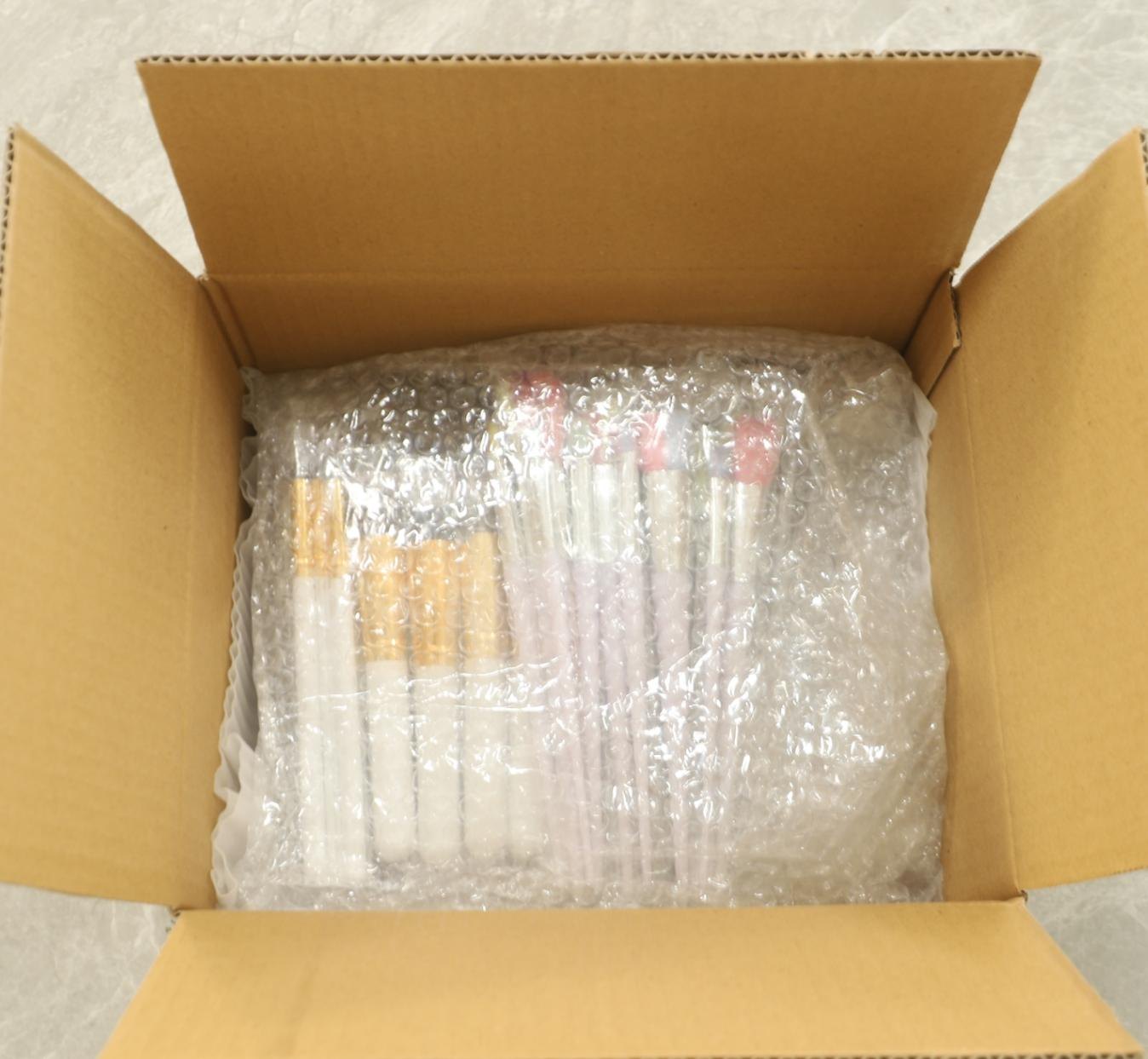
- Export packing: inner packing, master cartons, palletization, document set
Where quality is actually decided
Buyers usually watch the assembly step; the feel of a brush is decided earlier: at fiber preparation (diameter, taper, blend ratio) and tufting density. Two brushes can look identical in photos and perform completely differently because of these two steps. This is why our spec sheets specify fiber diameter and tuft weight, and why our sampling rounds focus on feel, not appearance.
Cost structure along the process
As a rule of thumb for a mid-range private label brush: fiber 30–40%, handle 15–20%, ferrule 10–15%, labor 20–25%, packaging and overhead the rest. The three levers that move price most are fiber grade, handle material and order volume: our cost breakdown guide (in Resources) walks through real numbers.
Inside the workshops
Want to verify any of this?
Ask for the audit summary, certificate register or inspection sample reports during RFQ: verification is the point.
Reply within 24 hours · MOQ from 100 pcs · Samples in 1–7 days